The ResidenceProof Blog
Guides and explainers on address, occupancy and household verification for insurers, lenders and benefit programs.

Occupancy verification, explained: what it is and why insurers rely on it
A plain-language guide to confirming who actually lives at an address, and why it matters for pricing, claims and benefits.
READ
Household composition: why “who lives here” matters as much as “where”
Undeclared drivers, dependants and occupants change risk. Here is how household verification works and where its limits are.
READ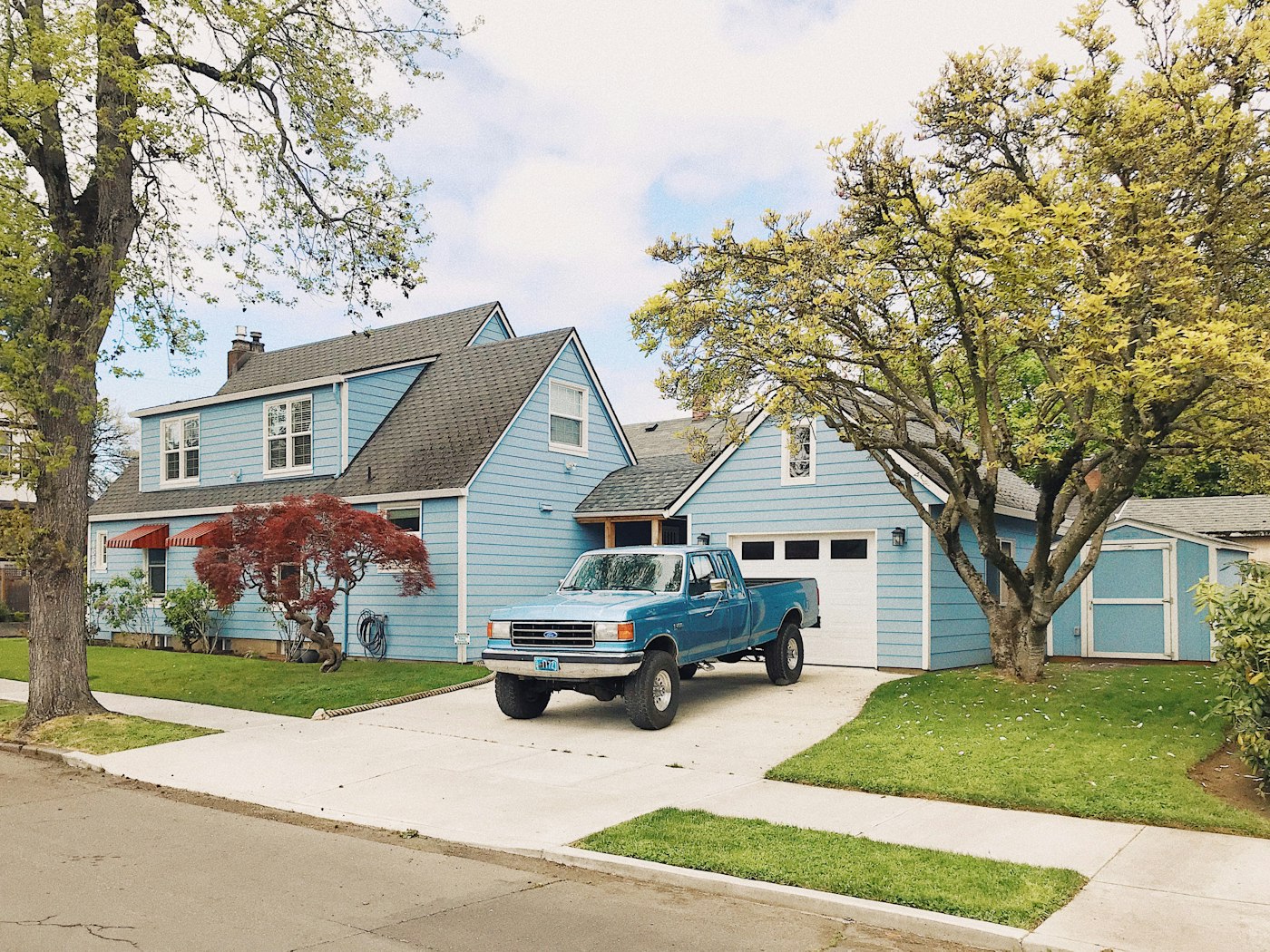
Garaging address misrepresentation in auto insurance
Why the place a vehicle is kept overnight matters, the common patterns behind misstatements, and how to verify it fairly.
READ
Owner-occupied or rental? Getting home occupancy classification right
Homeowners, landlord and vacant-home policies cover very different risks. Here is how occupancy misclassification happens and how to catch it.
READ
Residency rules in benefit programs: verifying eligibility without adding friction
State and local programs often depend on where applicants live. How to confirm residency accurately while keeping access fair.
READ
Consent-first verification: why asking first produces better results
Collecting documented consent before any verification work builds trust, reduces disputes and strengthens your compliance posture.
READ
The legal landscape for address and occupancy verification
An overview of the federal and state rules that commonly shape how verification data can be collected and used.
READ
Exterior-only field visits: what agents can and cannot do
When records disagree, a documented visit can settle the question. Here are the ground rules that keep field work lawful and respectful.
READ
Data minimisation: verifying more by collecting less
Why the best verification programs gather the least personal data needed to answer the question, and keep it only as long as necessary.
READ
Change-of-address records: what they show and where they fall short
Postal forwarding data is one of the most useful occupancy signals. Understanding its gaps is just as important.
READ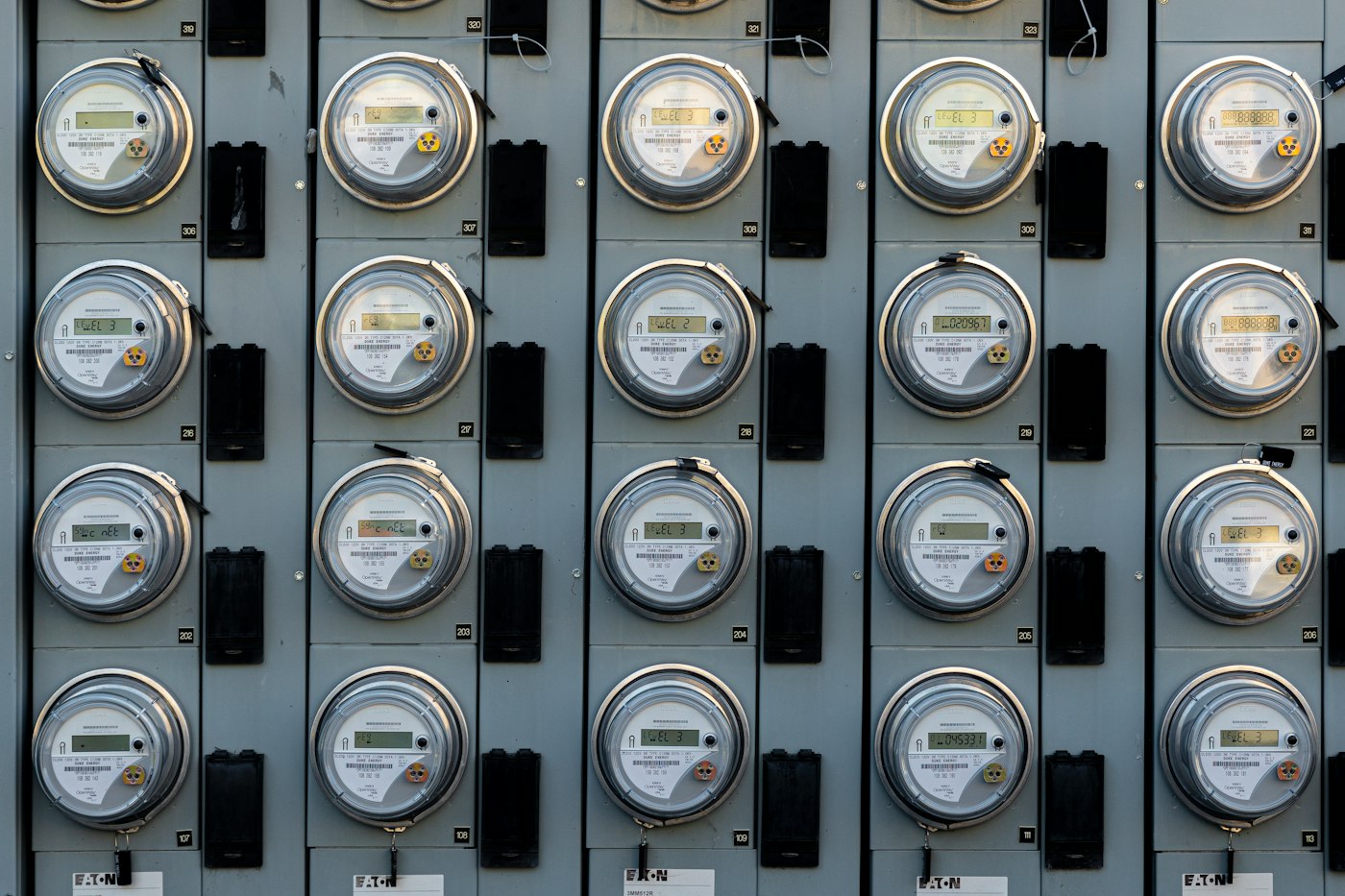
Utility footprints as evidence of occupancy
Connections, disconnections and account names can say a lot about whether a home is lived in, if they are read carefully.
READ
Property and tax records in residency verification
Ownership, homestead exemptions and mailing addresses on public rolls offer valuable context for occupancy questions.
READ
Reading a verification verdict: Verified, Discrepant, Unverifiable
What each outcome means, what it does not mean, and how to act on it responsibly.
READ
Disputes and reinvestigations: getting corrections right
When someone challenges a result, a clear, time-bound process protects them and the business relying on the report.
READ
Vacancy risk: why unoccupied homes worry insurers
An empty home can turn a small problem into a large loss. How vacancy is identified and why timing matters.
READ
Short-term rentals and the standard homeowners policy
Renting a home by the night changes who is on the property and how often. What verification can surface and how to handle it.
READ
Seasonal and dual residents: verifying people with two homes
Snowbirds, students and remote workers split time between addresses. How to verify primary residence without false alarms.
READ
Building a defensible evidence chain
A verdict is only as strong as the record behind it. The elements every verification report should preserve.
READ
Texting and emailing subjects: consent and messaging basics
How to send consent requests and updates by text or email in a way that is clear, lawful and easy to opt out of.
READ
Choosing a verification partner: a practical checklist
The questions to ask any address or occupancy verification provider before you sign.
READ