Owner-occupied or rental? Getting home occupancy classification right

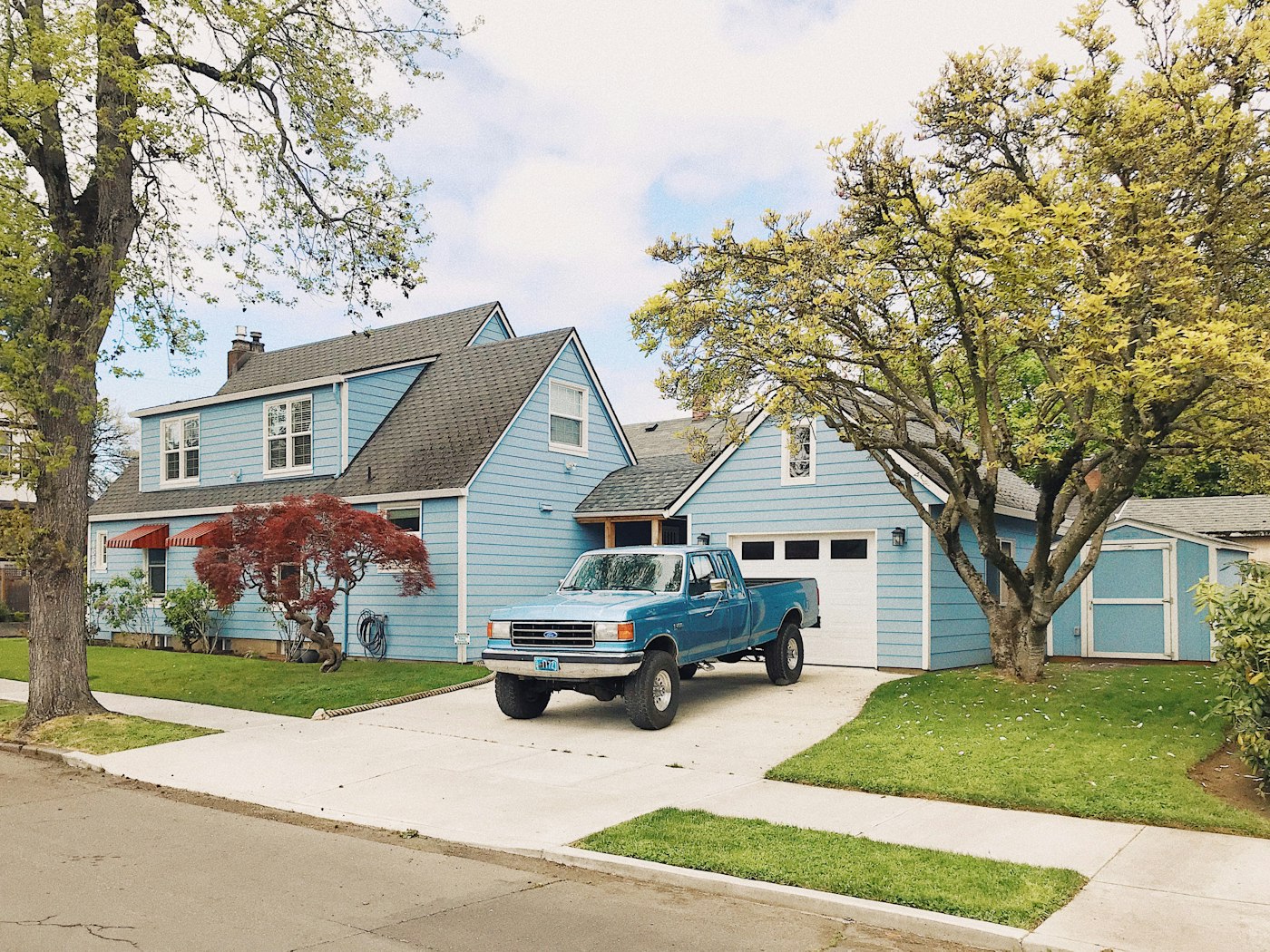
A homeowners policy assumes the owner lives in the home. When the property is actually rented out, the exposures change: different people, different maintenance habits and often different liability.
How misclassification happens
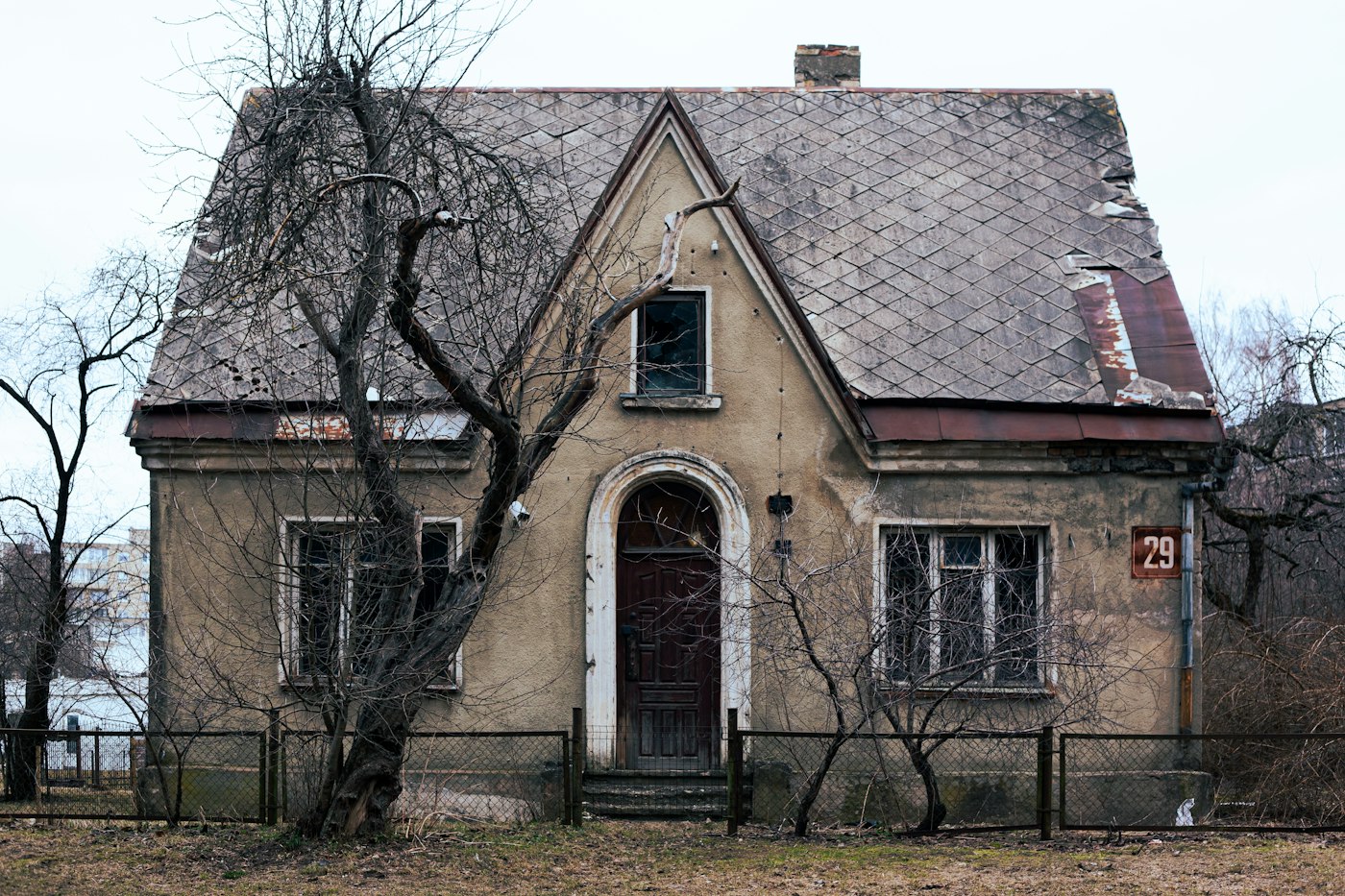
Owners move out and start renting without telling their insurer. Investors buy homes and place a homeowners policy out of habit. Inherited properties sit with a policy written for someone who no longer lives there.
In each case, the policy no longer matches the risk, which can lead to disputes at claim time that hurt everyone involved.
Signals that point to a rental
The policyholder's mail and utilities are tied to a different address. Unfamiliar names are associated with the property. Rental listings appear for the address. Each is a reason to look closer, not proof on its own.
Fixing it early
Catching misclassification at underwriting or renewal is far kinder than discovering it after a loss. A documented verification lets the insurer offer the right landlord or dwelling product before it matters.
Consent-first, reproducible verification for your team.